





Common Oral Appliance Misconceptions (2026)
From the use of oral appliances to the best practices for oral care, separating fact from fiction is essential for understanding how to support your dental routine. In this article, we'll delve into just some of the misconceptions surrounding oral appliances and oral health, and the history behind them. By debunking these myths, we aim to provide some interesting context and provide useful context and support better understanding of oral care practices.
Julius Caesar was one of the first people to wear an oral appliance
False!
Before the invention of modern braces, ancient civilisations used various materials to attempt teeth straightening. For instance, the ancient Egyptians used metal wires around 2,000 BCE to stabilise teeth and Romans used dental prosthetics made from materials like bone, ivory, and even human or animal teeth. These prosthetics were used to replace missing teeth and restore function. Whilst the materials and techniques used were rudimentary, they laid the foundation for oral health practices and the evolution of dental care over millennia. Today, oral appliances are widely used across orthodontics, prosthodontics, sleep-related care, and sports dentistry, supporting daily oral care routines and appliance use across a range of needs.
Clear aligner plastic was inspired by NASA technology
True!
The technology behind modern clear aligners, like Invisalign, was actually inspired by NASA. NASA developed a transparent material for use in astronauts' helmets, which later became the basis for clear aligner trays. The materials used in oral appliances developed for astronauts must meet strict criteria for durability and performance in space conditions. As a result, NASA's research has contributed to the advancement of dental materials technology, including lightweight, high-strength polymers and biocompatible materials used in orthodontic appliances, dental prosthetics, and mouthguards.
People with poor oral hygiene sleep longer hours at night
False!
Research suggests there may be a relationship between oral health and sleep quality. Gum health and oral hygiene habits can influence overall comfort, which may affect how easily you settle at night. Certain conditions, such as oral breathing or teeth grinding (bruxism), are also associated with both oral discomfort and disrupted sleep patterns.
It takes 3 weeks for bacteria to form on the surface of oral appliances
False!
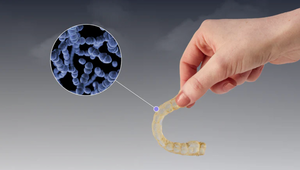
Bacterial colonisation on the surface of an oral appliance can occur quickly, typically within hours to days after its last cleaning. Factors such as oral hygiene practices, diet, saliva composition, and the type of appliance influence the rate of bacterial growth. Without proper cleaning and maintenance, buildup on oral appliances can contribute to odour, visible residue, and changes in the condition of the appliance over time. Therefore, regular cleaning with an ultrasonic machine as part of a routine, along with appropriate storage, can help maintain the cleanliness and condition of oral appliances over time.
Infections can spread through oral appliances
True!
Neglecting proper hygiene and maintenance of oral appliances can lead to serious issues beyond just dental problems. Failing to clean oral appliances regularly can result in the buildup of bacteria and biofilm, leading to bad breath and appliance deterioration. This is why regular thorough cleaning and proper storage of oral appliances are important for maintaining good hygiene practices as part of a daily routine.
Discover a convenient way to support your oral appliance care routine with the Dental Pod by Zima Dental
The Dental Pod is a convenient way to support the cleaning of oral appliances as part of a regular care routine. It utilises ultrasonic cleaning technology to help dislodge debris and buildup from the surface of oral appliances, without the need for abrasive scrubbing.
Get in touch with the Zima Dental team to find out more. Our customer care team will be happy to answer your questions and provide more details. Click here to get in touch.


Leave a Comment